
Maasai Mara National Reserve stands as one of Africa's most spectacular wildlife destinations and the crown jewel of Kenya's safari circuit. Spanning approximately 1,510 square kilometers, this vast ecosystem is named after the Maasai people who have inhabited these plains for centuries, living in harmony with the wildlife. The park's reputation is built on its incredible biodiversity, with the Big Five (lion, leopard, buffalo, elephant, and rhinoceros) thriving here alongside countless other species.
The Great Migration is undoubtedly the most famous natural phenomenon in Maasai Mara, drawing visitors from around the world. Between July and November, massive herds of wildebeest, zebras, and gazelles surge across the landscape in one of nature's most dramatic events. The crossing of the Mara River, where crocodiles lie in wait, is particularly thrilling and offers unforgettable moments for wildlife enthusiasts and photographers alike.
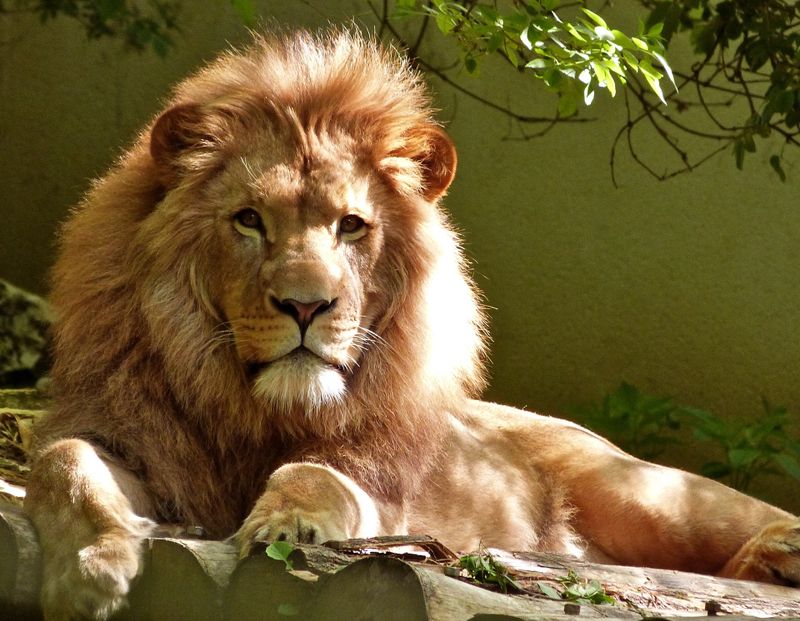
Beyond the migration, Maasai Mara offers year-round exceptional game viewing. Predator sightings are remarkably frequent, with lions, leopards, and cheetahs regularly spotted hunting across the plains. The park is also known for its particularly large lion population and for the presence of maneless lions, a unique adaptation to the Mara's environment. Birdwatchers will find over 450 bird species here, making it a paradise for avian enthusiasts.
One of the most magical experiences available in Maasai Mara is a hot air balloon safari at sunrise. Drifting silently above the plains as the sun breaks over the horizon, you'll gain a perspective on the vastness of the ecosystem while potentially spotting wildlife below. Many packages include a champagne breakfast in the bush, creating memories that will last a lifetime.
The Maasai people themselves are an integral part of the Mara experience. Traditional village visits allow visitors to learn about their pastoral lifestyle, intricate beadwork, and warrior traditions. These cultural encounters add a rich human dimension to your safari adventure, reminding visitors that conservation and local communities are intertwined in this remarkable landscape.
Highlights
Best Time To Visit
July to November (Great Migration), June to March for general wildlife viewing
Things To Do
Accommodation Ideas
Serena Mara Lodge
Award-winning lodge with stunning views overlooking the Mara plains and Oloololo Escarpment
Keekorok Lodge
Well-established lodge offering comfortable accommodation and excellent game viewing
Fig Tree Camp
Budget-friendly tented camp providing authentic safari experience with great value
Gallery

Maasai Mara FAQ
When is the best time to see the Great Migration?
The Great Migration typically occurs from July to November when over two million wildebeest and zebras cross the Mara River in search of fresh pastures. July and August are peak months.
Is it safe to go on a walking safari?
Yes, walking safaris are conducted by experienced guides who follow strict safety protocols. They are an incredible way to experience the African bush up close.
Can I visit a Maasai village?
Yes, most lodges can arrange authentic Maasai village visits where you can learn about their culture, traditions, and way of life.
How long should I stay in Maasai Mara?
We recommend a minimum of 3-4 days to fully experience the park and have good wildlife viewing opportunities.